
Eyes-Everywhere
Australia is going through a quiet but noticeable shift. CCTV, once limited to banks, casinos, and critical infrastructure, is now part of everyday life - homes, retail stores, construction sites, roads, and even childcare centres.
This isn’t just about better technology. It reflects something deeper: how Australians think about risk, how much they trust institutions, and how they weigh safety against privacy.
From Optional to Expected
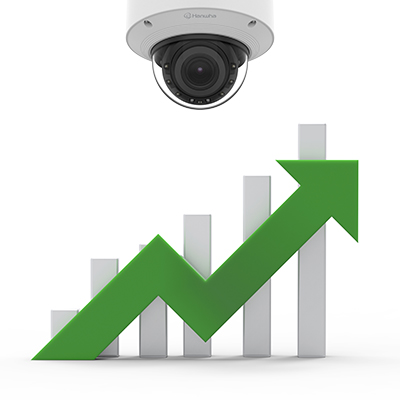
The growth tells the story. Australia’s CCTV market is expected to jump from about USD 1.16 billion in 2024 to over USD 6 billion by 2033, growing at around 17–18% each year.
That’s not just steady growth—it’s a shift in mindset.
If you look back:
- In the 2000s, CCTV was mostly used in high-risk commercial settings
- In the 2010s, councils and cities started adopting it more widely
- Now, in the 2020s, it’s moved into homes and small businesses
Council adoption alone jumped from about 11% to nearly 70% in just a decade—well before the current surge.
Today, CCTV isn’t seen as a “nice to have.” It’s becoming something people simply expect.

Fear, Perception, and the Psychology of Safety
Interestingly, the main driver isn’t technology—it’s how people feel.
Concerns around property crime and antisocial behavior have shifted how Australians act. Recent surveys suggest:
- Over 40% of households have added extra security measures
- More than 1 in 5 Australians installed cameras within a year
Some installers are even reporting demand spikes of up to 90%.
But here’s the nuance: crime itself isn’t necessarily rising across the board—yet people feel more vulnerable.
Why? Visibility.
News, social media, and community groups constantly sharing incidents create a loop:
- More visibility of crime → more anxiety
- More anxiety → more demand for surveillance
- More surveillance → more footage → even greater visibility
In that sense, CCTV doesn’t just respond to fear; it can also reinforce it.
Technology Has Changed the Game
CCTV today is very different from what it used to be. It’s no longer just recording footage. Now it includes:
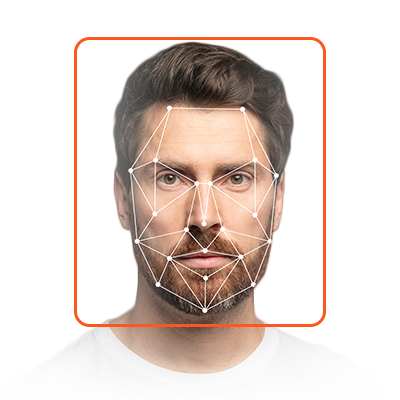
- AI detection (faces, number plates, behaviour)
- Real-time alerts on your phone
- Cloud storage and remote access
- Integration with smart home and IoT system
The AI-driven segment alone is growing at over 23% annually in Australia.
This changes the value completely:
- Before: CCTV helped after something happened
- Now: it helps prevent, automate, and analyse
For businesses, that means:
- Lower labour costs
- Automated compliance (parking, access control)
- Better data for decision-making
For households, it’s about:
- Peace of mind
- Insurance benefits
- Control, even when you’re not there

Urban Growth and Government Investment
Cities like Sydney, Melbourne, and Brisbane are investing heavily in “smart city” infrastructure, and CCTV is a core part of that.
Key drivers include:
- Transport monitoring
- Public safety
- Crowd control
- Protecting critical infrastructure
At the same time, private sector adoption is accelerating:
- Retailers using AI cameras to reduce theft
- Logistics sites improving efficiency
- Construction sites using remote monitoring
What’s emerging is a blend of public and private surveillance systems working side by side.
The Democratisation of Surveillance
One of the biggest changes is accessibility. CCTV is now:
- Affordable
- Easy to install
- Widely available online
Australia’s home security market, already worth over USD 2 billion in 2024, is expected to more than double by 2033.
This has blurred the lines between:
- Professional-grade systems
- Consumer gadgets
Surveillance is no longer just top-down. It’s decentralised, peer-to-peer, and part of everyday life.
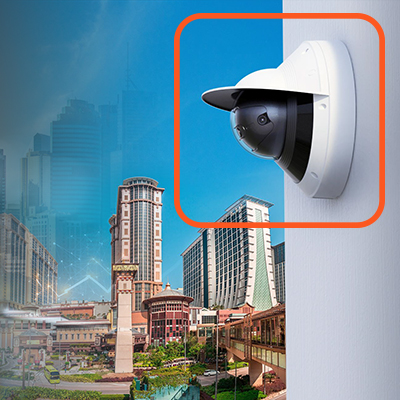

The Tension: Security vs Privacy
Of course, this growth comes with trade-offs.
Recent discussions (especially around childcare) highlight real concerns:
- Data misuse and hacking
- Over-reliance on technology
- False sense of security
- Ethical questions around constant monitoring
In retail, AI-driven surveillance raises further questions:
- Who owns the data?
- What level of consent is needed?
- Where do we draw the line?
Australia still doesn’t have a fully unified framework covering all aspects of surveillance. Technology is moving faster than regulation.
What Happens Next?
This isn’t just a market trend; it points to three bigger shifts:

From reactive to predictive
Security is becoming proactive: identifying risks before they happen.

From hardware to platforms
Cameras are no longer endpoints: they feed data into broader AI systems.

From choice to infrastructure
CCTV is starting to feel like essential infrastructure: like lighting or internet.
The real question isn’t whether CCTV will keep growing, the more important question is:
What kind of society are we creating when surveillance becomes normal, invisible, and expected?
Australia’s CCTV boom reflects a practical mindset—valuing safety, efficiency, and technology.
But it also highlights a growing tension: the need for protection versus the importance of privacy.
CCTV might begin as a response to uncertainty.
Over time, though, it changes how we think about trust, control, and visibility.
And once it’s there, it rarely gets switched off.


